Bioethics Forum Essay
LEEDing the Way With AI
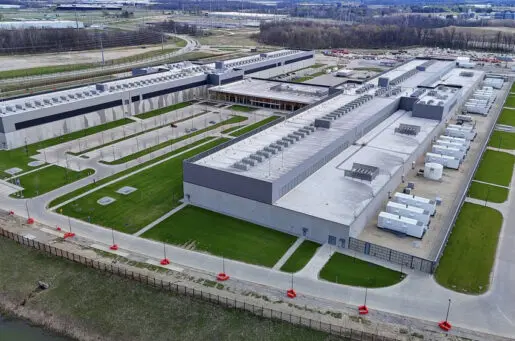
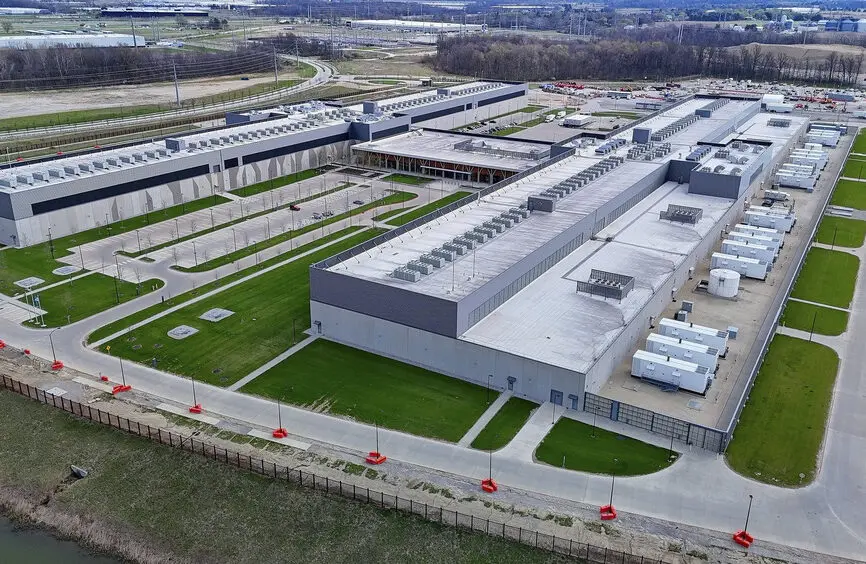
Data centers fueling the AI revolution have become an election issue in the midterms. Both Democratic and Republican candidates are rallying against them. Increasingly, the environmental impact of AI is becoming known, with fears that data centers will spoil pastoral landscapes, consume massive amounts of energy, and overwhelm local infrastructure and water supplies. And in the aggregate, there are concerns that AI will accelerate global warming. Environmental stewardship is a bioethics issue and academic medical centers and universities have a responsibility to model responsible behavior as huge consumers of AI.
But it will be an uphill battle. Confronted by these challenges it is easy to throw one’s hands up in despair. The problems are too big and too far out of reach. Voting for one candidate or another, hoping that they will solve this problem, seems quixotic given the momentum of AI. There is a need for a more practical and visible solution. And there is one.
I suggest that LEED certification should factor in the environmental impact of a building’s use of AI. LEED is an acronym for “leadership in energy and environmental design.” Certification attests to how environmentally friendly a building is. There are three LEED tiers: certified silver, gold, and platinum, each based on a scale formulated by the U.S. Green Building Council.
Achieving platinum status has become a status symbol among architects and college development officers who showcase how wonderfully kind their newest buildings are to the environment. And all that is for the good: Construction with sustainable products and efficient energy use makes for a smaller carbon footprint and a healthier planet.
But conventional LEED standards only tell part of the story if that glistening new lab or hospital wing is making copious use of artificial intelligence. All the energy expended and water consumed to generate machine learning does not yet factor into a building’s LEED determination. It will be invisible locally. All of that happens off-site at data centers. A building with a platinum designation could indirectly be a significant polluter if its reliance on AI required a massive expenditure of energy at the data center.
While data centers are starting to embrace LEED criteria, their environmental impact is downstream where machine learning is being used. This begs the question, shouldn’t the users of AI be held accountable for their appetite for ChatGPT, Claude, and their next iterations? These consumers generate the demand for machine learning that data centers fulfill. Because those who depend on AI are often oblivious to its environmental impact, accountability should be shared by end users. Together with the companies developing AI, they should assume responsibility for the ecological burden generated by their consumption.
To achieve this, LEED designations should factor in the environmental costs of local AI usage. Instead of a building receiving a one-time gold or platinum certification when it opens, LEED certifications should be earned yearly based on an estimate of how much energy is consumed to drive AI usage. Annual LEED certifications would convert a static designation into a dynamic one. It would tell the real story of the building’s environmental impact and hold it accountable for its actual energy consumption.
Current LEED operations and management (LEED O+M) designations, which are renewed every three-to-five years, do take account of changes in a building’s energy usage, but this assessment only pertains to energy usage within the building. It does not factor in associated energy consumption in data centers, which can dwarf the actual energy used within the building itself.
Colleges, universities, and academic medical centers, which have already embraced the importance of green buildings and are large consumers of AI, should lead the way by advocating for more dynamic LEED designations.
While not a panacea, reforming LEED designations could help make a difference and relieve the frustration that many people feel when up against distant, anonymous data centers as nebulous as the nearest cloud. It can provide a way to act locally and think globally about climate change.
Thus far the true costs of AI have been much like the proverbial “free lunch.” But as we bear witness to soaring temperatures, wildfires, and erratic weather systems, the tab is long overdue. Better to make a down payment on this debt by incorporating the true price of AI usage into LEED designations.
The LEED system has already transformed how buildings are constructed. Now it can help regulate how they are used. With the planet threatened by the ascendant use of AI, if we didn’t have LEED designations, we would have to invent them. The good news is that we can modify established standards to LEED the way towards environmental stewardship in the age of AI.
Joseph J. Fins, MD, is the Chief of the Division of Medical Ethics and E. William Davis, Jr., MD Professor of Medical Ethics at Weill Cornell Medicine, a Hastings Center Fellow, and the chair of the board of trustees of The Hastings Center for Bioethics. LinkedIn JJ Fins