Bioethics Forum Essay
Finding Common Ground to Reduce Gun Violence
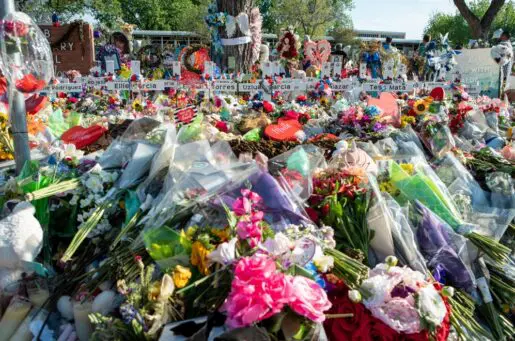
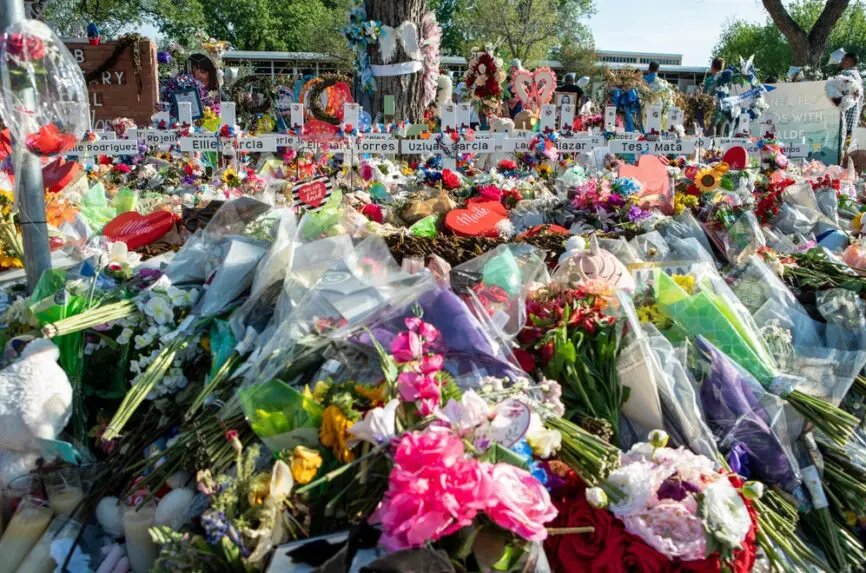
There have been more than 300 mass shootings in the United States in 2025, including at Brown University, where two students were killed and nine others were injured, and at a child’s birthday party in Stockton, Calif., where four people, three of them children, were killed and 13 people were injured. Although mass shootings provide a spotlight for underlying cultural and mental health issues, they do not represent most issues surrounding gun violence, such as suicides, homicides, and accidental shootings. It goes without saying that gun violence is a major problem in the U.S., accounting for approximately 45,000 firearm-related deaths in 2023. It is the leading cause of death for children ages 1 to 17. Yet, discussing approaches to reducing gun violence often devolves into contentious disagreements.
We believe that ethical frameworks used in medical ethics could be helpful in finding a way forward. We spent our careers as ethics consultants in a VA medical ethics program. Some of our consults pertained to gun safety, such as when a patient had access to unsecured firearms at home and had either cognitive challenges or thoughts of self-harm. In these consultations we explored common values and interests, such as respect for the patient’s wishes and autonomy; the wishes of family members (especially those based on their experiences and previous conversations with the patient); and the potential harms to the patient, family members, or others. This approach often led to the resolution of the conflict.
As we moved toward retirement, we recognized that the skills we used–clarifying competing values, listening for shared values, and reasoning toward common ground–could be applied to broader public health challenges such as reducing gun violence. We also recognized that viewing gun violence as a preventable public health problem would require collaboration with community organizations (e.g., schools, social and health-related services, and law enforcement) and focus primarily on prevention rather than punishment. As we refocused our ethics lens from individual well-being to community well-being, we found that although national legislation has remained largely stagnant for decades, there have been notable reductions in gun violence in various cities and states–and that these reductions were often driven by approaches tailored to the unique cultural identities and shared values of those communities.
Below we outline several initial steps that individuals can take to address gun violence in their communities: recognizing existing ethical tensions, identifying underlying values or interests that exist beneath the surface, and developing methods for reaching agreement about approaches to reducing gun violence.
First, it is important to get beyond the disagreements that reflect extreme positions, such as “guns should be outlawed” or “Americans have the constitutional right to bear a firearm” and to consider the ethical values and goals each position prioritizes. The desire to outlaw firearms is often rooted in the view of gun violence as a public health crisis, which reflects the ethics-based goal of promoting community health and safety. The claim of a right to bear arms is usually anchored to the value of individual liberty and the right to self-defense.
Despite the marked differences in these positions, the individuals who hold them often share other values and interests that would likely have direct bearing on addressing gun violence. For example, most people have a powerful desire to protect themselves and their families. To people in the gun ownership group, this desire is a reason to have a gun. To people in the gun control group, this desire is a reason to set limits on gun ownership and use. Helping both groups recognize that they have shared values–to protect themselves, their families, and their communities–could lead to agreement about the value of safe storage or background checks to ensure that individuals with a violent past are prohibited from procuring firearms.
Identifying the values and interests beneath different positions is an essential element of principled negotiation, a successful technique for resolving conflicts discussed in Getting to Yes, a classic business book. To help uncover these values and interests, moderators (or participants in a discussion) ask questions such as, “Tell me more about that?” “Why?” and “How so?”. This approach promotes key norms, such as respectful dialogue among those who disagree, and is clearly applicable to the disagreements that exist about approaches to gun violence.
In our careers as medical ethics consultants we have used these steps to identify underlying values and foster respectful dialogue. And some community programs to reduce gun violence have applied them, as well.
One example is the Cure Violence (CV) program (formerly known as CeaseFire). Although this program has its roots in Boston and Chicago, its approach has spread to many U.S. cities. The CV program regards gun violence as similar to a public health disease. The program primarily focuses on underserved, high-risk neighborhoods that often include gang violence. It aims to detect and interrupt violence-producing conflicts, having “violence interrupters”–trained ex-gang members or people with a history of violent crime–talk to those in conflict and help find peaceful alternatives to potentially violent situations. In addition, violence interrupters often guide their clients toward more constructive activities, such as finding jobs, accessing educational opportunities, and utilizing social services. CV also organizes community activities, such as marches and vigils, and distributes educational material with the goal of respectfully influencing community and group norms.
The CV model has been evaluated in different communities and shown repeatedly to reduce shootings and homicides. For example, in 2009 the Northwestern University Institute for Policy Research reported a 16%-22% reduction in shootings in several Chicago neighborhoods attributable to CeaseFire-Chicago (a CV approach). In 2012, the Johns Hopkins Bloomberg School of Public Health study of CV and gun violence in the Baltimore neighborhood of Cherry Hill showed a 56% reduction in homicides and a 34% reduction in nonfatal shootings. In 2015, the John Jay College of Criminal Justice Research and Evaluation Center analyzed crime data to compare areas in New York City with and without CV programs. The research showed that, between 2010 and 2013, homicides dropped 18% in areas with CV and increased 69% in areas without CV.
What action steps can you take? First, assess the needs of your community. You may have concerns about gun violence because of neighborhood assaults or your desire to protect people at high risk of firearm injury, including children and older adults. Then, ask what is being done to address this issue in your community (e.g., at parent-teacher meetings, council or town hall meetings, religion-affiliated group discussions). At these meetings you can apply the approach we discussed to understanding values and interests beneath the surface and use the techniques of principled negotiation.
Although gun violence remains a serious national concern, the successes achieved in individual communities show that reducing gun violence is achievable. The same tools that are used to resolve complex medical ethics conflicts, such as finding shared values and interests, building trust, and approaching problems through a public health strategy, are helping communities make progress. Treating gun violence as a preventable public health issue offers a clearer, more unifying path forward. As we move into 2026, we are encouraged that these insights can help support an even safer and healthier future.
Robert A. Pearlman, MD, MPH, is Professor Emeritus at the University of Washington School of Medicine and a Hastings Center Fellow.
David P. Glickman, MA, is a retired ethics officer at the VA Puget Sound Health Care System in Seattle.